


Catenian Bob Hussey muses on the claimed benefits of wild swimming
If you’re anything like me, then the idea of braving the winter cold in swim shorts, in public, might seem daunting. You might even prefer the task of navigating the aisles at your local supermarket despite the seemingly random and time-consuming nature of it.
But – I’m still going to try to convince you of the benefits of throwing off your warm clothes and engaging in cold-water swimming.
This has come to the fore in my life recently as my son-in-law has taken it up and swears by it. (Note – no first-hand experience!) But his enthusiasm did intrigue me, so I thought I’d investigate.
It appears that the practice of standing shivering on some river bank or beside some pool or lake before throwing yourself into the water is very popular and has claimed health benefits.
Avoid Extremes
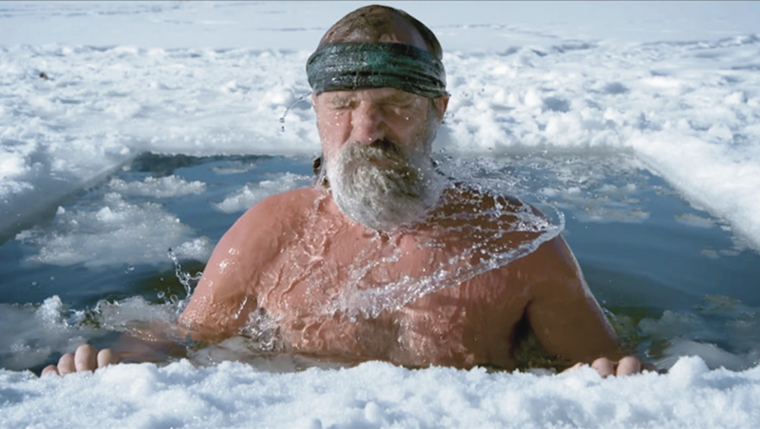
My first tip though would be to avoid the extremes! One of the most important advocates of cold-water swimming is a chap called Wim Hof, also known as ‘The Ice man’.
Wim considers himself an extreme athlete and has achieved many feats in the cold including running a half marathon above the Artic Circle barefoot and standing in a container covered with ice for almost 2 hours. No, I suggest you go for the gentler approach and perhaps the best way might be to join a local cold-water swimming group? There are many all over the country and there will certainly be one not too far from you. To find out more, head to www.wildswimming.co.uk or www.outdoorswimmingsociety.com
The Benefits
So, what are the claimed benefits? Well, there are many, many, claims online, but most seem to include:
• Improve your mood
The most frequently reported benefit of cold-water swimming is the boost it can give to your mood. Experts have found that regular cold-water exposure could improve mental health problems such as anxiety and depression – the reasons behind this aren’t yet entirely clear, but research is ongoing to understand the effects of cold water on our minds. One theory is that it may reduce our stress reaction, in other words making our mind and body more resilient to external stressors, or that cold water is anti-inflammatory, leading to improvements in mental and physical health.
• Connect to nature
Many wild swimmers say that whilst you are in the water surrounded by water and wildlife it gives you a sense of intense mindfulness which is difficult to achieve in any other activity. This is because when swimming all you can think about is the ‘here and now’ – your movement in the water, your physical surroundings and whether your body is warm enough (or whether it is time to get out!).
• Potential benefits to metabolism
There have been scientific reports of benefits to the metabolism from cold water exposure, for example through the activation of brown adipose tissue (BAT) in our bodies. BAT is considered a ‘healthier’ type of fat in our bodies, which can help keep us warm by turning glucose and fatty acids in our blood into heat
• Pain reduction
There is much anecdotal evidence to suggest that cold water exposure is beneficial for those living with chronic pain caused by conditions such as arthritis. This effect may be due to the reduction of inflammatory markers in the body or may simply be due to a ‘numbing effect’ caused by the cold on our bodies (similar to applying an ice pack).
• Enhanced recovery
Exercise can lead to pain and sore muscles, also known as delayed onset muscle soreness (DOMS). Many elite athletes use cold therapy, some even take ice baths, but the jury is out as to whether this is better than heat therapy. Experts also highlight that this treatment may not be appropriate for all types of exercise.
Is it for me?

So, will I “practice what I preach” and take up cold-water swimming?
Well – in a word – no.
Whilst I admire the tenacity and determination of my son-in-law, it’s not for me – but it may be for you?


