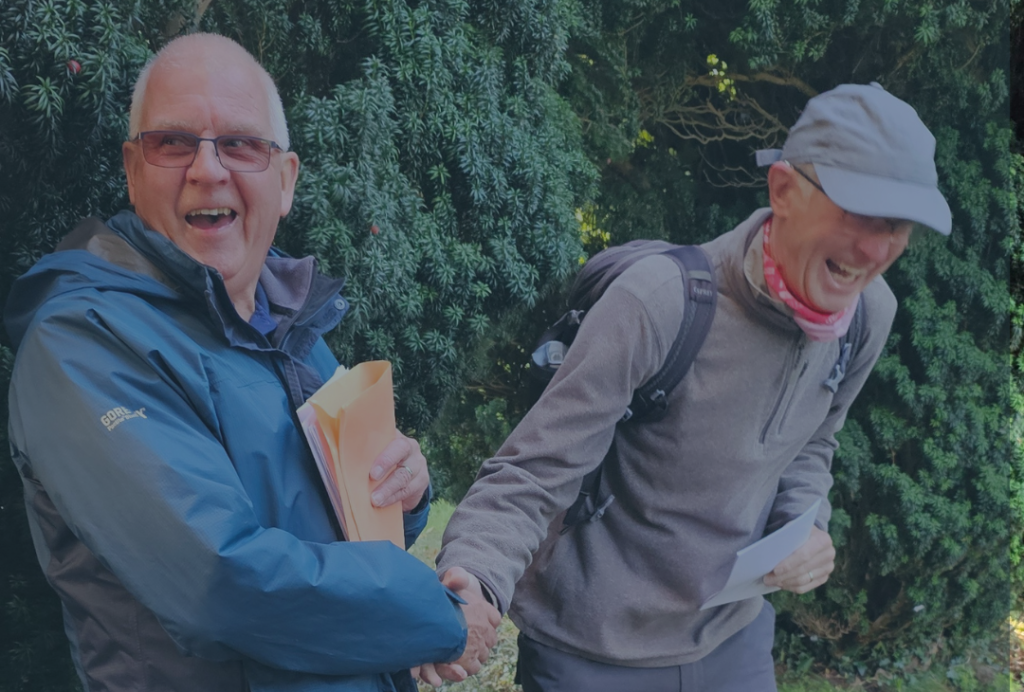
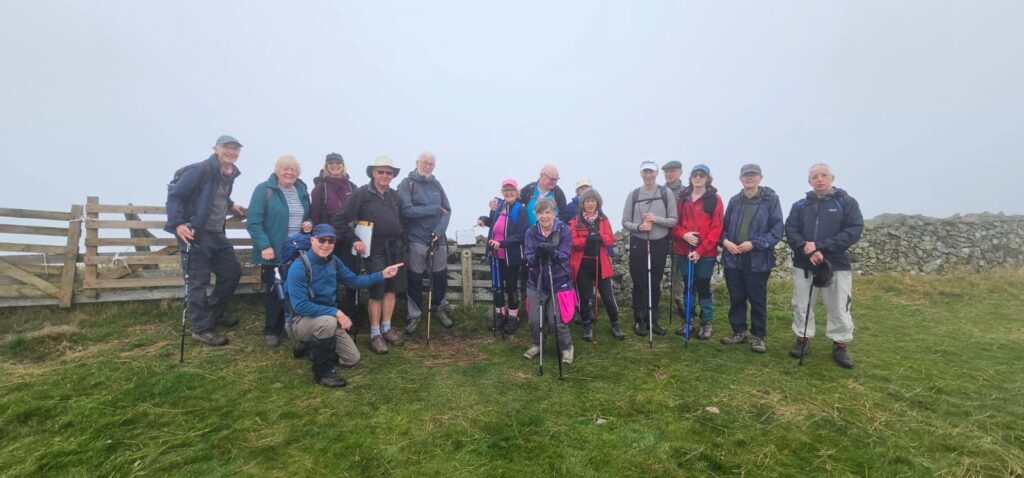
Members of Cirencester, South Cotswolds Circle gathered at the home base of the Great Western Air Ambulance for a tour On a morning with rain looming, members of the Cirencester, South Cotswolds Circle gathered at the base of the Great Western Air Ambulance Charity (GWAAC) for an enlightening tour. This charity plays a vital role, providing Helicopter Emergency Medical Services (HEMS) for Gloucestershire, parts of Wiltshire, and Northern Somerset. Their operational headquarters, strategically located near the intersection of the M4 and M5 in Almondsbury, Bristol, serves as the lifeline for rapid response critical care in the region. A Personal Connection: Why the GWAAC was chosen as the President’s charity Cirencester Circle President, Tony Mellor, has a personal connection to the Great Western Air Ambulance. Last year, Tony’s daughter was involved in a serious road accident, and her steady recovery was, in part, due to the swift intervention by the HEMS team. Moved by the impact of their care, Tony adopted GWAAC as his President’s Charity for the year. To support the cause, Tony embarked on a sponsored 102-mile walk along the Cotswold Way, raising significant funds for the charity. His dedication inspired fellow Circle members, leading to the organisation of this visit, allowing everyone to gain firsthand insight into the charity’s lifesaving work. The role of the Great Western Air Ambulance charity in emergency care The Great Western Air Ambulance Charity is one of the 21 air ambulance charities across the UK. These organisations bridge the gap between the scene of an emergency and the hospital, effectively bringing an emergency room directly to the patient. With a team that includes a consultant-level critical care doctor and a highly skilled paramedic, GWAAC provides rapid response services either by helicopter or high-speed critical care cars, all equipped with lifesaving medical equipment. Cutting-edge equipment and expertise The medical advancements utilized by GWAAC include techniques and equipment that originated in military settings, developed for battlefield medicine in places like Iraq and Afghanistan. In 2022, the charity responded to 1,979 medical emergencies, with cardiac arrests and road traffic accidents being the most common call-outs. A meticulous approach: the tour of GWAAC facilities Circle members were treated to an in-depth tour, gaining insight into the meticulous organization and dedication behind GWAAC’s operations. Critical care cars: ready for action The base holds three identical critical care cars, each equipped with color-coded, strategically placed bags of medical supplies. The cars remain connected to mains power while in the garage, ensuring all electrical equipment, such as heart monitors, are fully charged and ready for immediate use. Additionally, all paramedics undergo police-led high-speed driving training, allowing them to reach urban areas where the helicopter may face landing restrictions. Helimed 65: A versatile air ambulance helicopter The pride of the fleet, Helimed 65, is a Eurocopter 135. Known for its agility and reliability, this helicopter can access smaller landing sites and is fully stocked with the same medical equipment as the critical care cars. Although space is limited, Helimed 65 can still transport patients, and if needed, accommodate a patient’s family member or guardian during transit. The cost of life-saving work: funding the GWAAC One surprising fact about GWAAC, and other HEMS charities, is that they receive no public funding. Relying entirely on public donations, the GWAAC, like the Royal National Lifeboat Institution (RNLI), is an essential service whose operations depend on community support. For such a critical service to function without state, local, or NHS funding speaks volumes about the dedication and passion of its team and supporters. Impressions and next Steps: supporting the GWAAC mission Members of the Cirencester, South Cotswolds Circle left the GWAAC base with a profound appreciation for the dedication, expertise, and compassion shown by the team. The Circle is now more committed than ever to fundraising efforts, inspired by the visit to continue supporting this essential service. How you can help Supporting local air ambulances like the Great Western Air Ambulance Charity is a powerful way to contribute to life-saving services. By donating, fundraising, or even volunteering, community members play a direct role in sustaining critical emergency care for those in need. Supporting the GWAAC is not just an act of charity; it’s an investment in community safety and emergency response.